Reputation Management in Hospitality: A Full Academic Chapter
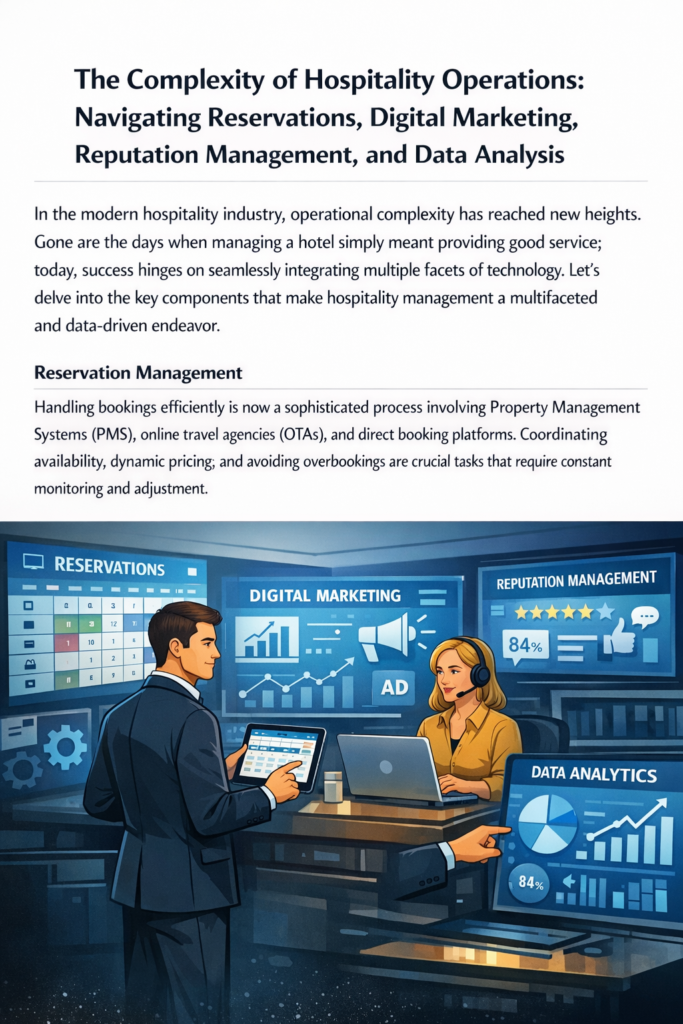
A Strategic Framework for Managing Digital Reputation in Modern Hotels
1. Introduction
In the digital era, a hotel’s reputation has become one of its most valuable intangible assets. Unlike traditional word‑of‑mouth, today’s reputation is shaped publicly, instantly, and globally through online platforms. This shift has transformed reputation management from a reactive customer‑service task into a strategic, data‑driven discipline that influences revenue, brand positioning, and operational decisions.
Hotels in Sweden and across Europe now rely on AI‑powered review aggregators, sentiment analytics, and automated response systems to maintain competitive visibility and guest trust.
2. The Digital Reputation Ecosystem
Reputation in hospitality is shaped by multiple interconnected channels:
2.1 Review Platforms
- Google Reviews
- TripAdvisor
- Booking.com
- Expedia
- Trustpilot
These platforms influence:
- Search ranking
- OTA visibility
- Guest booking decisions
2.2 Social Media
- TikTok
- X (Twitter)
Social media amplifies guest experiences both positive and negative at high speed.
2.3 Media & Public Relations
News coverage, influencer posts, and viral content can dramatically shift brand perception.
2.4 Internal Feedback Systems
- Post‑stay surveys
- NPS (Net Promoter Score)
- In‑stay feedback apps
These tools allow hotels to detect issues before they escalate online.
3. The Economic Impact of Reputation
Academic studies consistently show a strong correlation between online reputation and financial performance:
- Harvard Business Review (2025) - +1 star rating = up to 9% revenue increase
- Cornell Hospitality Research - Higher review scores = higher ADR & occupancy
- Booking.com Insights - 70% of guests read at least 6 reviews before booking
Reputation is no longer a “soft metric” – it directly affects RevPAR, ADR, and occupancy.
4. Tools and Technologies for Reputation Management
4.1 Review Aggregators
These platforms centralize reviews from all channels:
- ReviewPro
- TrustYou
- Revinate
They provide:
- Sentiment analysis
- Trend detection
- Automated alerts
- Performance benchmarking
4.2 AI‑Powered Response Systems
AI tools help hotels:
- Draft professional responses
- Maintain tone consistency
- Prioritize urgent reviews
- Detect harmful or fraudulent reviews
4.3 Analytics Dashboards
Using Power BI, Tableau, or Revinate, hotels can:
- Track sentiment over time
- Identify operational weaknesses
- Compare performance with competitors
5. Strategic Framework for Reputation Excellence
5.1 Monitoring
- Real‑time alerts
- Daily dashboards
- Weekly sentiment reports
5.2 Responding
- Respond to all negative reviews within 24–48 hours
- Personalize responses
- Avoid defensive language
- Offer solutions or follow‑up channels
5.3 Engaging
- Encourage satisfied guests to leave reviews
- Use QR codes at check‑out
- Automate post‑stay review requests
5.4 Analyzing
- Identify recurring complaints
- Link feedback to operational KPIs
- Share insights with department heads
5.5 Improving
- Use feedback to guide training
- Adjust SOPs (Standard Operating Procedures)
- Implement service recovery programs
6. Crisis Reputation Management
Hotels must prepare for:
- Viral social media complaints
- Safety incidents
- Service failures
- Negative press
Crisis Response Steps
- Acknowledge the issue publicly
- Provide transparent updates
- Move the conversation offline
- Implement corrective actions
- Publish a follow‑up statement
7. Sample Professional Response Templates
Positive Review
“Thank you for your wonderful feedback. We’re delighted you enjoyed your stay and look forward to welcoming you again.”
Negative Review
“We sincerely apologize for the inconvenience you experienced. Your feedback is extremely valuable, and we are taking immediate steps to address this issue. Please contact us directly at [email] so we can assist you personally.”
Crisis Review
“Thank you for bringing this to our attention. We take this matter very seriously and are currently investigating the situation. Our management team will contact you directly to resolve this promptly.”
8. Conclusion
Reputation management has evolved into a strategic discipline that blends technology, psychology, communication, and data analytics. Hotels that master this discipline gain:
- Higher guest satisfaction
- Stronger brand loyalty
- Increased revenue
- Competitive advantage

Comments
Post a Comment